
Corrective Jaw Surgery
Corrective Jaw Surgery in Rancho Mirage
When the Jaws Do Not Fit Together Correctly
Jaw surgery may be needed when the teeth, bite, and jaws do not work together properly. Orthodontics can move teeth, but when the problem involves the position of the jaws, corrective jaw surgery may be recommended as part of a coordinated treatment plan.
This type of surgery can help improve chewing, biting, speaking, breathing, facial balance, and long-term oral health. Treatment is planned carefully and may involve coordination with an orthodontist, dentist, or other healthcare providers.

Who It Helps
Who May Need Corrective Jaw Surgery?
Jaw growth happens gradually, and in some cases the upper and lower jaws develop at different rates. Injury, heredity, environmental factors, or congenital conditions can also affect jaw alignment.
Corrective jaw surgery may be recommended for patients with:
- Difficulty chewing, biting, or swallowing
- Speech concerns related to jaw position
- Chronic jaw or TMJ discomfort
- Open bite
- Protruding upper or lower jaw
- Receding jaw
- Facial imbalance
- Breathing concerns related to jaw structure
- Jaw alignment problems caused by growth, trauma, or birth differences
What to Expect
The Corrective Jaw Surgery Process
-
Consultation & Imaging
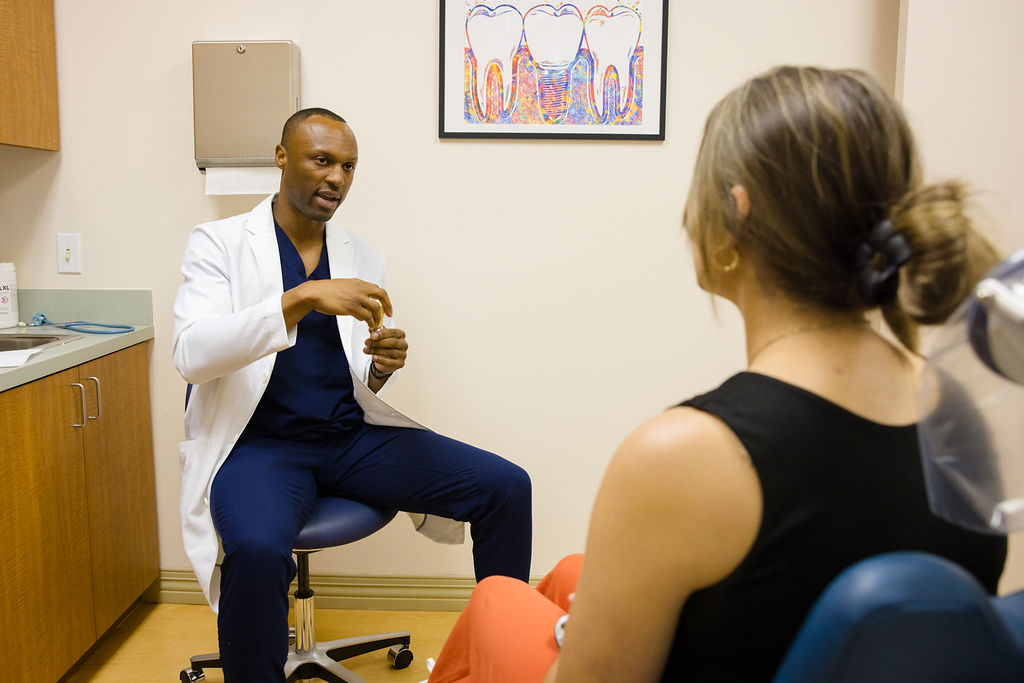
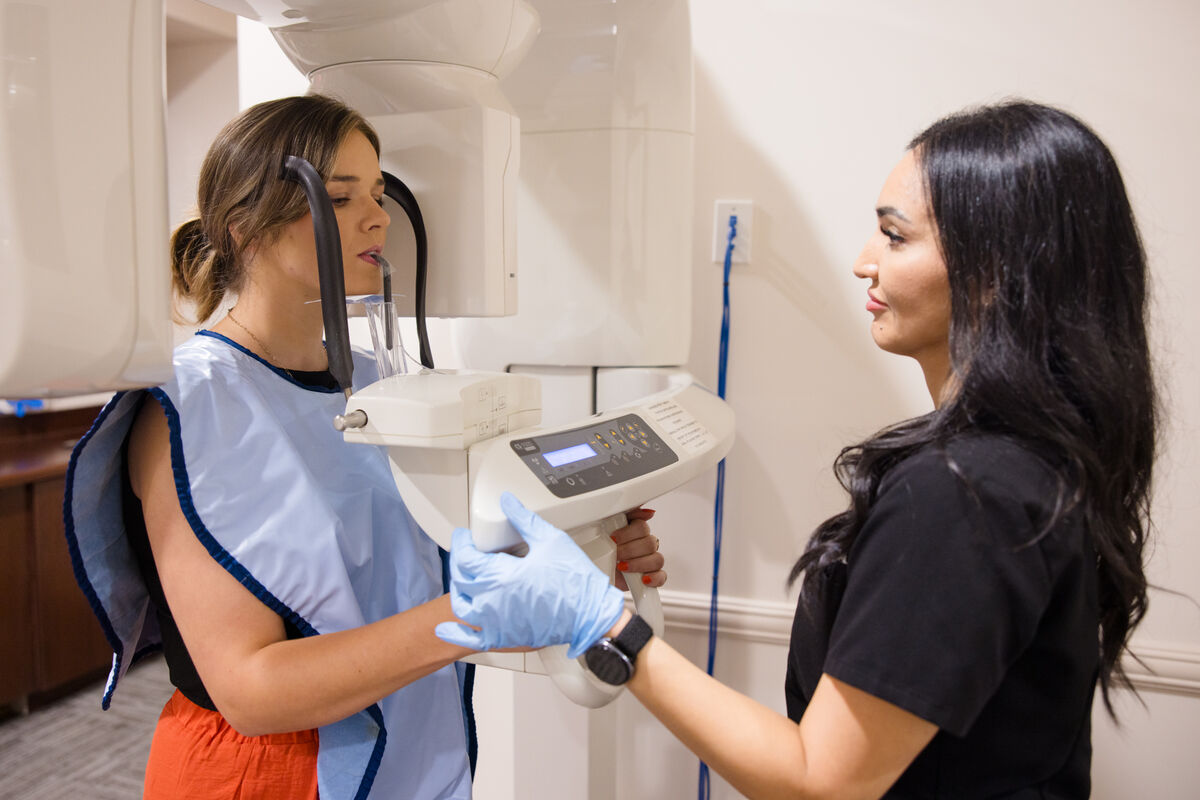
Your evaluation begins with an exam, imaging, bite review, health history, and discussion of your symptoms and goals.
-
Anesthesia Planning
Before surgery, your medical history, medications, and anesthesia needs are reviewed to determine the safest and most appropriate plan. The anesthesia approach is coordinated with your procedure to support your comfort and safety.
-
Coordinated Treatment Planning
Jaw surgery is often planned with orthodontic treatment. The oral surgery team may work closely with your dentist, orthodontist, or other providers before and after surgery.
-
Digital Surgical Planning
Modern imaging and digital planning tools help evaluate jaw position, facial structure, bite alignment, and the intended surgical changes.
-
Surgical Treatment
The procedure repositions the jaw or jaws into a healthier, more functional relationship. The specific approach depends on the patient’s anatomy and treatment plan.
-
Recovery & Follow-Up
After surgery, patients receive detailed recovery instructions and follow-up care. Healing time varies based on the complexity of the procedure and each patient’s health.
Technology & Planning
Digital Planning for Jaw Surgery
Technology plays an important role in corrective jaw surgery. Modern computer techniques, 3D models, facial X-rays, and computer video imaging may help patients understand how surgery is approached and how bite alignment can improve.
With detailed planning, patients can better understand the surgical process, the expected changes, and the purpose of treatment before moving forward.
Related Services
Related Oral Surgery Services
Get Started
Find Out If Jaw Surgery May Be Right for You
If you have difficulty chewing, bite problems, jaw discomfort, facial imbalance, breathing concerns, or have been told you may need orthognathic surgery, Desert Maxillofacial Center can help evaluate your needs and explain your options.