
Losing a tooth affects much more than your smile. A single missing tooth can make it harder to chew, change the way you speak, and cause the teeth around the gap to shift over time. When several teeth are missing, everyday activities like eating a favorite meal, laughing with friends, or speaking in public can start to feel stressful.
The good news is that there are several reliable ways to replace missing teeth. The three most common options are dental implants, dental bridges, and dentures. Each one can restore your smile, but they work very differently, and the right choice depends on your health, your goals, and how many teeth need to be replaced.
Understanding the differences between these options can help you have a more productive conversation with your dentist or oral surgeon and choose a solution you will be happy with for years to come.
Dental Implants
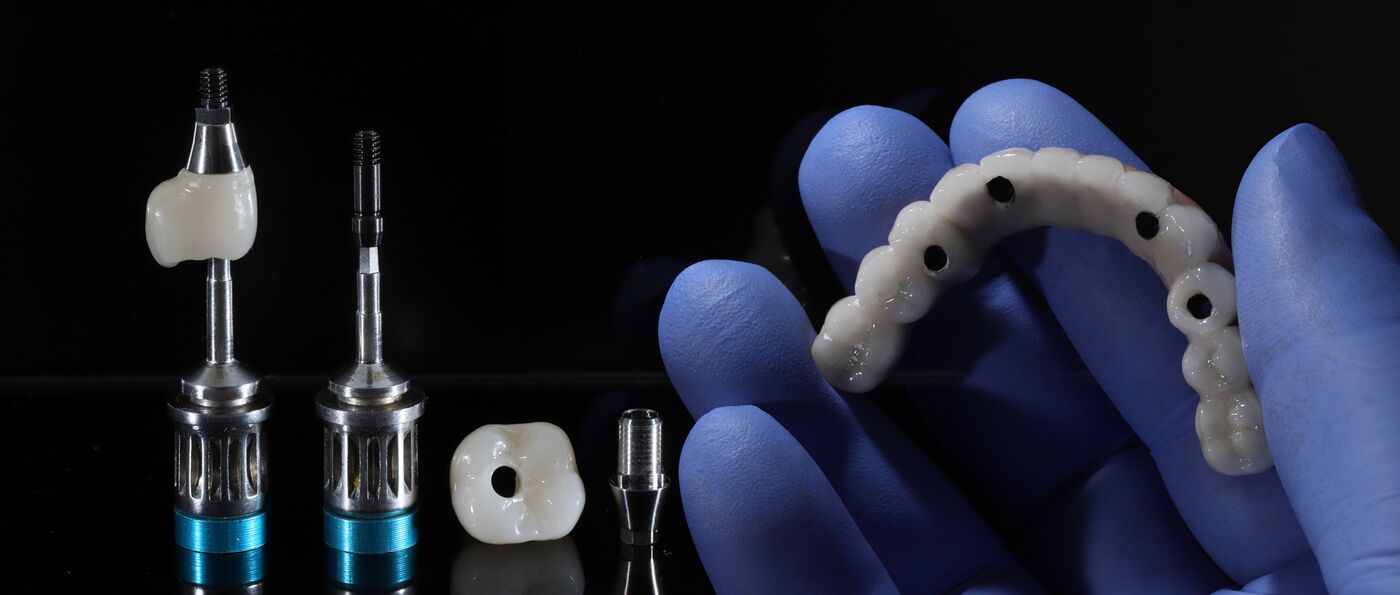
A dental implant is a small titanium post that is placed in the jawbone, where the natural tooth root used to be. Over the following months, the bone bonds with the implant, creating a strong and stable foundation. A custom crown is then attached to the top, completing a tooth that looks and functions much like a natural one.
Implants can replace a single tooth, several teeth, or even a full arch when combined with an implant-supported bridge or denture.
One of the biggest advantages of implants is that they help preserve the jawbone. When a tooth is lost, the bone in that area slowly begins to shrink because it no longer receives stimulation. An implant acts like a natural root and helps maintain the bone and the shape of the face.
Dental Bridges
A traditional bridge fills the gap left by a missing tooth by attaching an artificial tooth to crowns placed on the neighboring teeth.
Bridges can be completed in a shorter amount of time than implants and do not require surgery. However, the healthy teeth next to the gap usually need to be reshaped to support the crowns. This places extra stress on those teeth over time.
A bridge also does not replace the tooth root, so the bone underneath the missing tooth may continue to shrink.
Dentures
Dentures are removable replacement teeth. Partial dentures replace a few missing teeth, while full dentures replace an entire upper or lower arch.
Dentures are often the most affordable option upfront and can be made without surgery. However, many people find that traditional dentures can slip, click, or feel loose, especially while eating or speaking. They may also need adjustments or relining over time as the jawbone changes shape.
For patients who want the convenience of a full arch with more stability, implant-supported dentures are another option. These dentures attach to a small number of implants, which helps keep them securely in place.
Comparing Your Options
When deciding which option is best, it helps to think about:
- Stability: Implants are fixed in the bone, while traditional dentures rest on the gums
- Bone health: Implants help preserve the jawbone, while bridges and dentures do not
- Neighboring teeth: Implants stand on their own, while bridges rely on adjacent teeth
- Longevity: With proper care, implants can last for many years and often decades
- Maintenance: Implants are brushed and flossed like natural teeth, while dentures are removed for cleaning
- Upfront cost: Dentures and bridges usually cost less at first, while implants often provide greater long-term value
Is Everyone a Candidate for Implants?
Most healthy adults with missing teeth can be considered for dental implants. The most important factors are overall health, gum health, and whether there is enough bone in the jaw to support the implant.
If bone loss has occurred, a bone graft may be recommended to rebuild the area before or during implant placement. Certain medical conditions, medications, and smoking can also affect healing, so a thorough evaluation is always the first step.
Choosing the Right Solution for You
There is no single answer that fits every patient. The best tooth replacement option depends on your oral health, your lifestyle, your budget, and what matters most to you in the long run.
At Desert Maxillofacial Center, our team uses advanced 3D imaging to evaluate your bone and plan your treatment with precision. We proudly serve patients throughout the Coachella Valley. Call (760) 837-1515 to schedule a consultation and learn whether dental implants are right for you.