
For many teenagers and young adults, wisdom teeth are one of the first real encounters with oral surgery. These third molars usually begin to come in during the late teens or early twenties, long after the rest of the adult teeth are in place. By then, there often is not enough room in the mouth for them to grow properly.
Some people never have problems with their wisdom teeth. Others experience pain, swelling, infection, or crowding that affects the rest of their smile. Because problems can develop slowly and without obvious symptoms, many patients are not sure whether their wisdom teeth need to come out or what the process will involve.
This guide explains the most common signs that wisdom teeth may need to be removed, what to expect on the day of surgery, and how to make your recovery as smooth and comfortable as possible.
Why Wisdom Teeth Cause Problems
When there is not enough space for wisdom teeth to erupt normally, they can become impacted. This means they remain trapped beneath the gums or inside the jawbone, or they come in at an angle.
Impacted wisdom teeth can push against neighboring teeth, trap food and bacteria, and be very difficult to clean. Over time, this may lead to infection, gum disease, cavities, or damage to the nearby molars. In some cases, a fluid-filled cyst can form around the tooth and affect the jawbone.
Signs You May Need Your Wisdom Teeth Removed
You may want to have your wisdom teeth evaluated if you notice:
- Pain or pressure in the back of the mouth
- Swollen, tender, or bleeding gums behind the last molars
- Jaw stiffness or difficulty opening your mouth
- Bad breath or an unpleasant taste that does not go away
- Food frequently getting trapped in the back of the mouth
- Crowding or shifting of other teeth
- Headaches or earaches connected to jaw discomfort
Even without symptoms, X-rays may show that wisdom teeth are impacted or growing in a way that could cause problems later. That is why a professional evaluation is important.
Why Earlier Is Often Better
Wisdom teeth are often easier to remove in younger patients because the roots are not fully developed and the bone is less dense. Recovery also tends to be faster.
This does not mean adults cannot have their wisdom teeth removed safely. It simply means that planning ahead can make the process easier.
What Happens on the Day of Surgery
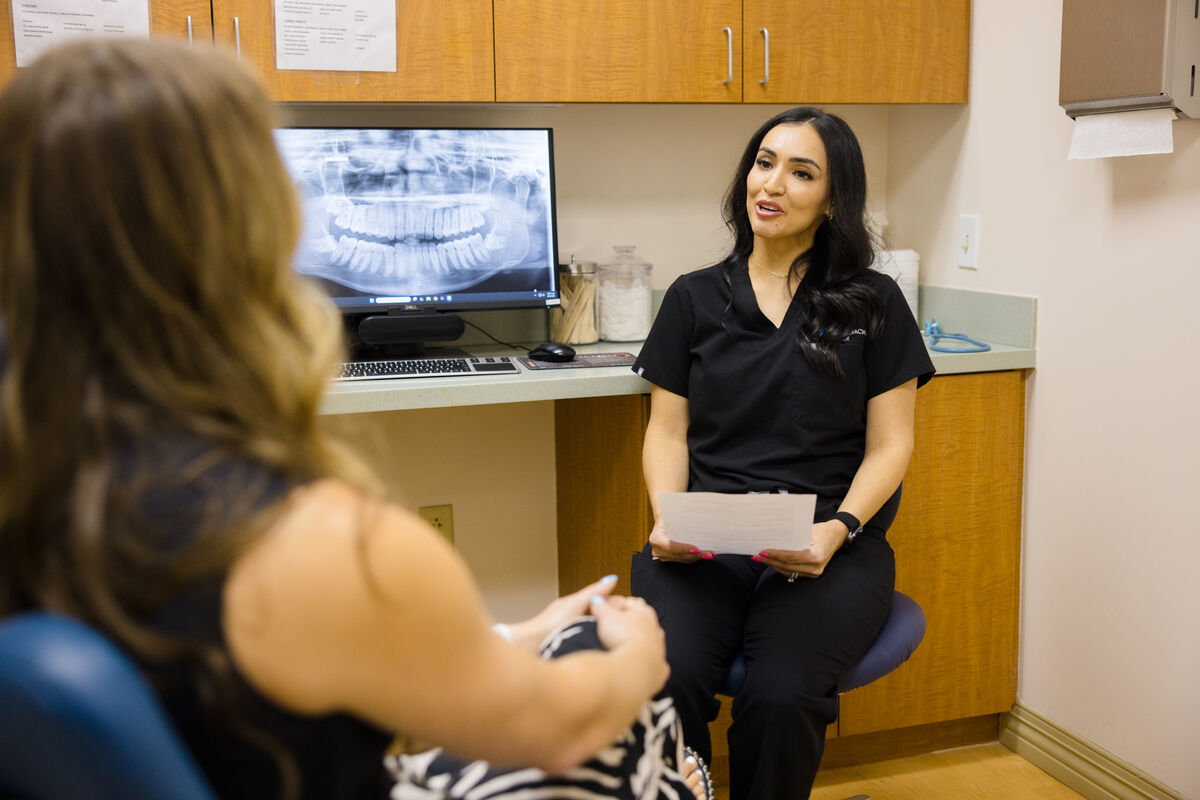
Before surgery, your oral surgeon will review your X-rays and medical history and explain your anesthesia options. Many patients choose sedation so they can remain comfortable and relaxed throughout the procedure.
The procedure itself is usually completed in about an hour, depending on how many teeth are being removed and how deeply they are impacted. Because of the anesthesia, you will need a responsible adult to drive you home afterward.
What Recovery Really Looks Like
Every patient heals a little differently, but recovery usually follows a predictable pattern.
During the first 24 hours, some bleeding is normal. Gentle pressure with gauze helps a blood clot form in the extraction site. Rest, keep your head elevated, and follow your surgeon’s instructions for pain medication.
Swelling usually increases over the first two to three days before it begins to improve. Cold packs on the outside of the face during the first day can help. Many people feel much better within a week, although the area continues to heal for several weeks.
Tips for a Smoother Recovery
Stick to soft, cool foods at first, such as yogurt, smoothies eaten with a spoon, mashed potatoes, and soup that is not too hot. Gradually return to your normal diet as you feel comfortable.
Avoid using straws, smoking, and spitting forcefully for the first several days. These can disturb the blood clot and lead to a painful condition called dry socket.
Keep your mouth clean by gently rinsing as directed and brushing carefully around the surgical areas. Contact your surgeon if you notice severe pain that gets worse after a few days, fever, or swelling that continues to increase.
Get Your Wisdom Teeth Evaluated
If you or your teen are experiencing discomfort, or if your dentist has recommended an evaluation, the best next step is a consultation with an experienced oral surgeon.
Desert Maxillofacial Center provides wisdom teeth evaluations and removal for patients throughout the Coachella Valley. Call (760) 837-1515 to schedule your consultation.